
Portfolio · Pacific Northwest
The Cottage Kitchen: A Century Old, Reborn
A century-old cottage kitchen stripped back to its bones and rebuilt around what made it worth saving in the first place.
Old homes have a quality that new construction rarely achieves on purpose: character. The challenge with a kitchen like this isn’t adding something — it’s knowing what to keep. The original bones were sound: good proportions, honest materials, the kind of layout that works because it was thought through by someone who cooked every day.
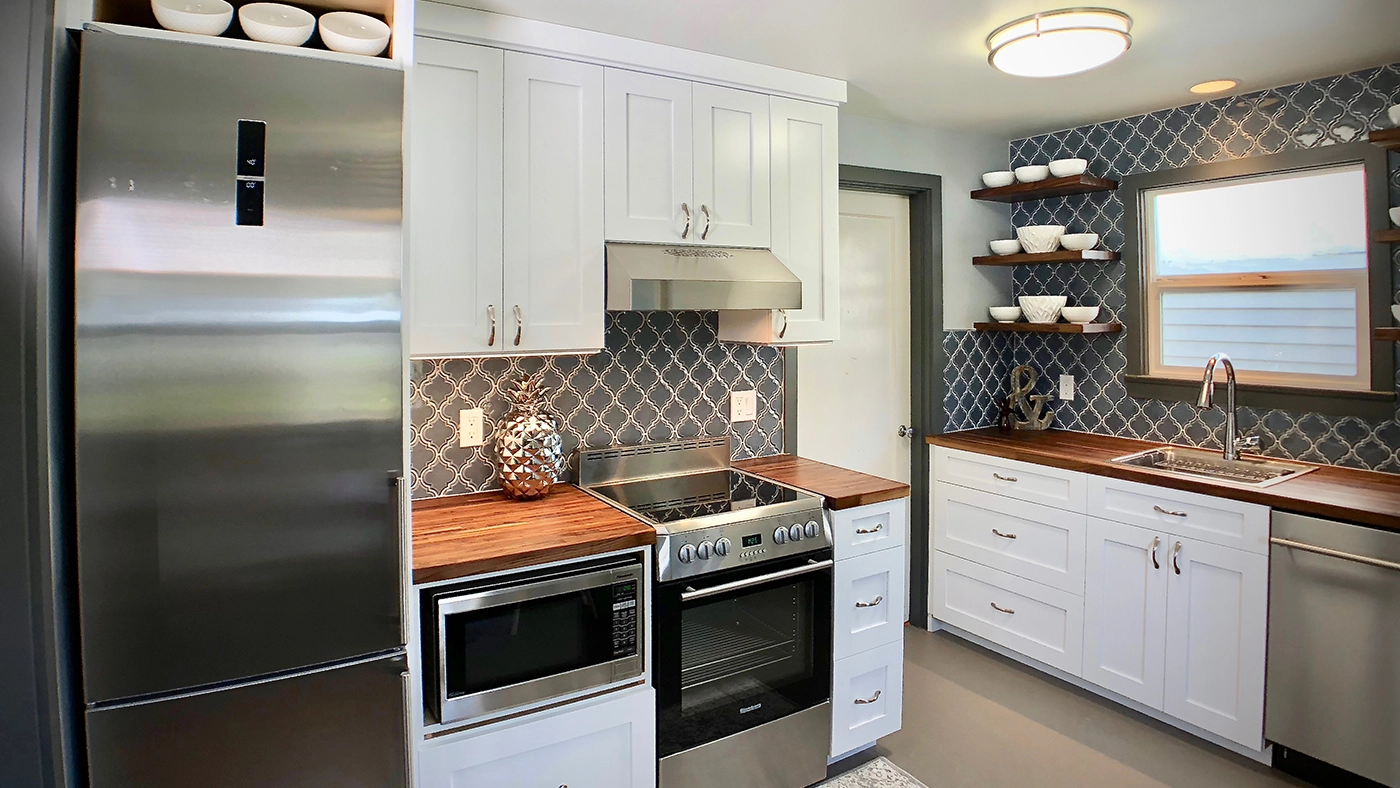
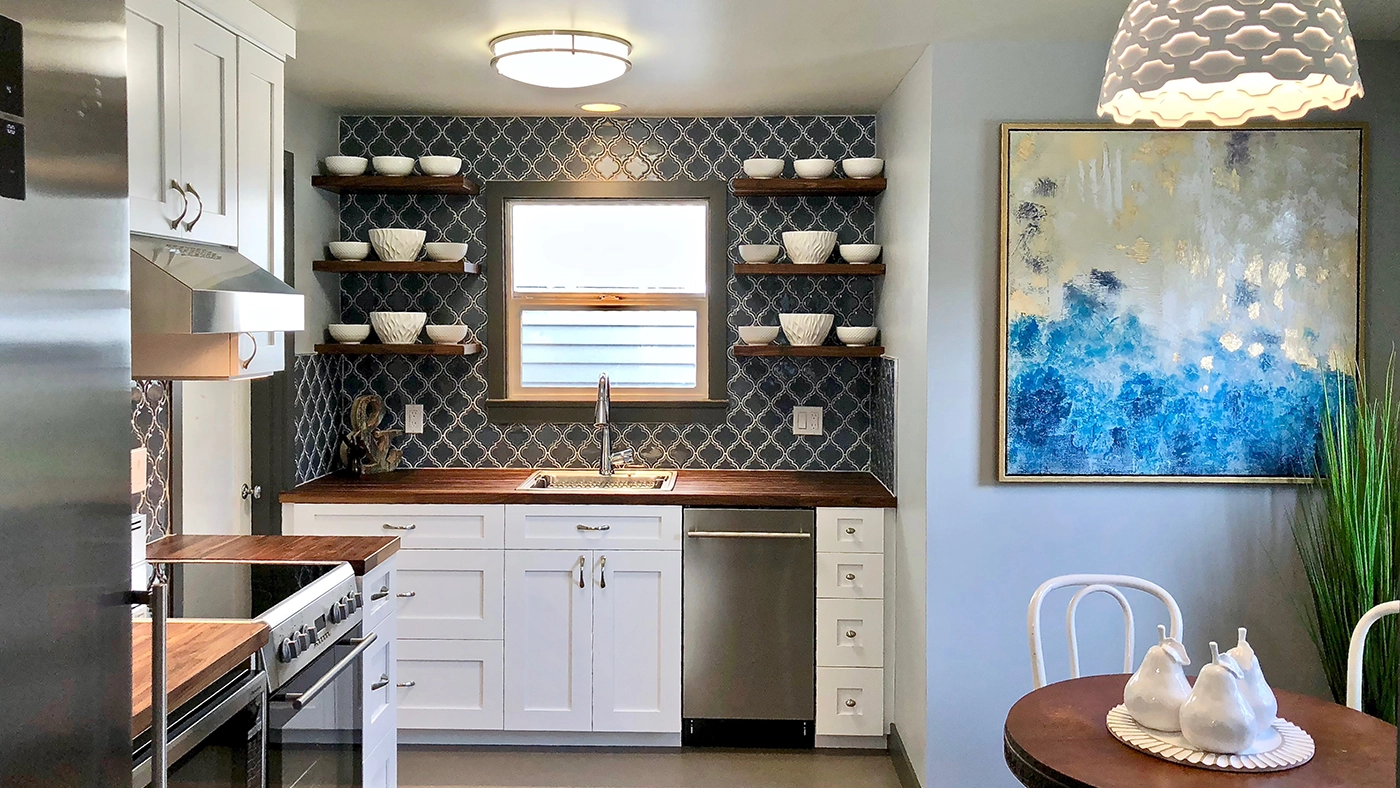
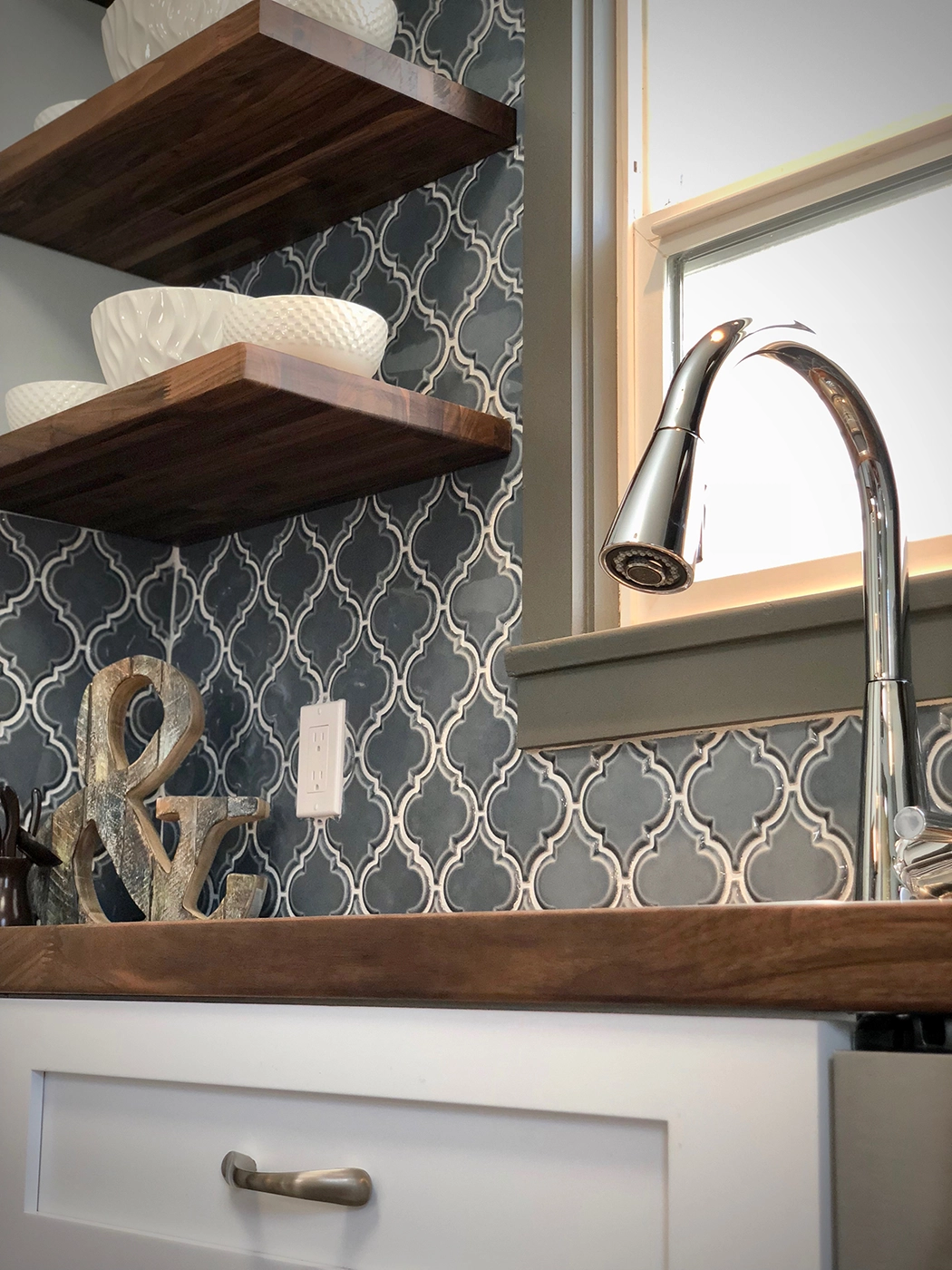
The result sits at the edge of two things — old and new, rough and refined. Wood shelving that looks like it belongs. White cabinetry that doesn’t apologize for being contemporary. A backsplash with enough color to feel like a decision, not an afterthought.
Designed to Honor the Original
The first decision on a project like this is always the hardest: what stays? Here, the layout stayed. The proportions stayed. The relationship between the window and the sink — one of those small spatial gifts that old houses sometimes get exactly right — stayed.
Everything else was evaluated on its merits. If it worked, it was kept or updated. If it didn’t, it was replaced with something that did — using materials and methods appropriate to the building’s age and character.
Considering a Project?
The Work Begins With One Conversation
We hold a limited number of consultations each month and are selective about the projects we take on. If you’re ready to discuss yours, we’d like to hear about it.
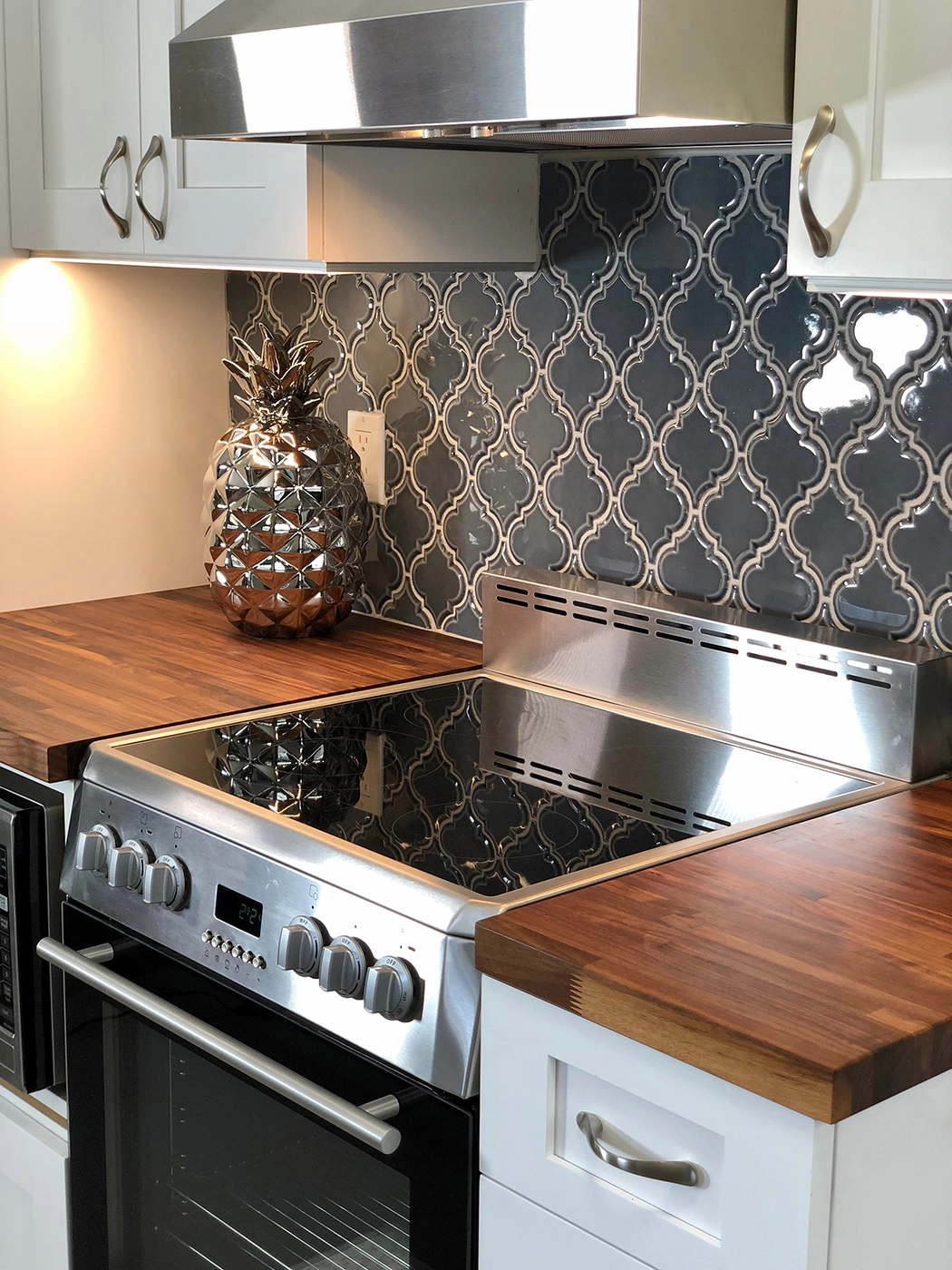
A century-old kitchen, finished properly — Pacific Northwest.
The Challenge
Modern Function in a Historical Frame
Integrating contemporary appliances and storage into a kitchen with original millwork and an uneven floor plan required patience. Standard cabinet dimensions don’t always work in century-old spaces — the walls aren’t plumb, the ceiling isn’t level, and the floor has settled in ways that have to be accounted for.
Custom cabinetry was specified for the runs that needed it. Off-the-shelf was used where it fit correctly. The distinction is invisible in the finished room, which is exactly the point.
“A century-old kitchen doesn’t need to be erased — it needs to be finished properly.”
Our Design Approach
Balanced Old and New
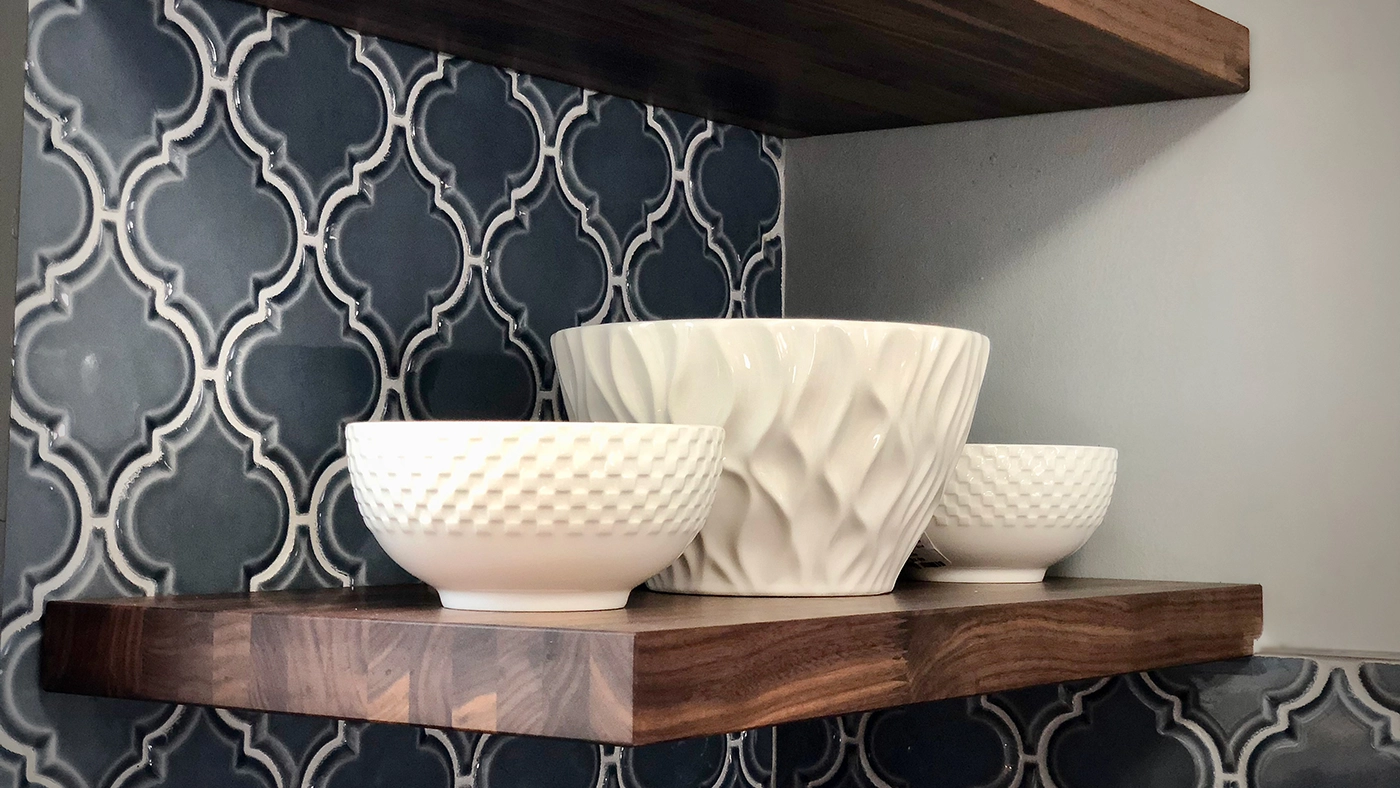
Material selection was anchored by the existing character of the space. Wood was the primary natural material — on the shelving, on the countertop edge profiles, in the hardware pulls. It ties the new elements back to what the house was built from.
The blue tile backsplash was the one moment of deliberate contrast. In a room this restrained, a single strong choice makes everything else read better. The blue references the kind of hand-painted tile you’d find in a well-traveled house — not a period reproduction, but a contemporary material with the same spirit.
Appliances were integrated where possible and carefully selected where not: stainless steel for its neutrality, not for any particular design statement. The kitchen is designed to be cooked in, not photographed around.
Project Type
Kitchen Renovation + Interior Design
Style
Modern Rustic / Cottage Contemporary
Building Age
Century-old cottage
Key Materials
Wood shelving, white cabinetry, blue tile backsplash
Appliances
Contemporary integrated suite
Scope
Full kitchen design + material specification
Common Questions
Frequently Asked
We start by understanding what the building is trying to be. Old homes have a logic to them — spatial rhythms, material choices, proportional relationships — that took generations to develop. A kitchen renovation that ignores that context ends up looking grafted on. We work with the existing bones first and replace only what genuinely doesn’t work.
Absolutely. The key is integration over statement. Contemporary appliances disappear into the design when they’re panel-ready or stainless, positioned thoughtfully, and not made into focal points. The kitchen should read as a coherent space, not a collection of era-specific objects.
Carefully, and with a combination of custom and standard millwork. We measure everything multiple times before specifying. Some runs need custom cabinetry because the walls or floor won’t accommodate standard dimensions — that’s a normal part of working in older buildings. The goal is a finished result where no one can tell which cabinets are custom and which aren’t.
Handmade or hand-painted tile is a natural fit — the slight variation in each tile references the imperfect, hand-built quality of older homes. Large-format porcelain can work if it’s used with enough restraint. What doesn’t work is anything that reads as purely contemporary without acknowledging the context.
Design development typically runs 4 to 6 weeks. Construction for a kitchen of this complexity — custom millwork, tile work, appliance integration — runs 6 to 10 weeks. We coordinate closely with the contractor through both phases to keep the schedule tight.
The work in this portfolio is the standard we hold ourselves to on every project — not just the celebrated ones. We take on a limited number of engagements each year, which means the projects we commit to receive our full attention from the first conversation through the final installation. If you’re considering a renovation, a new build, or a full redesign, tell us about your space. We’ll tell you honestly whether we’re the right fit — and what working together would look like.
Begin Your Project
Your space should hold you. Every time you walk in.