
Quiet Luxury Interior Design in the Pacific Northwest
Our Services
Explore our expert interior design, architecture, and custom furniture services to create a space uniquely yours. Let’s start your transformation today!

Get In Touch
If you are looking for a collaborative team that loves your space and is your steadfast design advocate, we’re a fabulous fit for you!
Quiet luxury isn’t minimalism. It isn’t cold. What it asks is for every decision in a space to be intentional — and for that intention to be felt rather than announced.
What Quiet Luxury Actually Means in a Home
Quiet luxury in a home means spaces that read immediately as expensive — but where you can’t quite identify why. The finishes are exceptional but not flashy. The proportions are right. The palette is restrained but not boring. Nothing is trying to impress you. Everything simply is. It communicates quality through texture, scale, and material rather than through visible branding or maximalist layering.
Why the Pacific Northwest Is Made for This Aesthetic
The Pacific Northwest has always had a native relationship with restraint. The landscape does the drama — the mountains, the water, the Douglas firs at scale. The best homes in this region don’t compete with that. They frame it. Pacific Northwest quiet luxury tends to run warmer than its European counterparts. Less marble and chrome, more quartzite and unlacquered brass.

The Materials That Define This Look
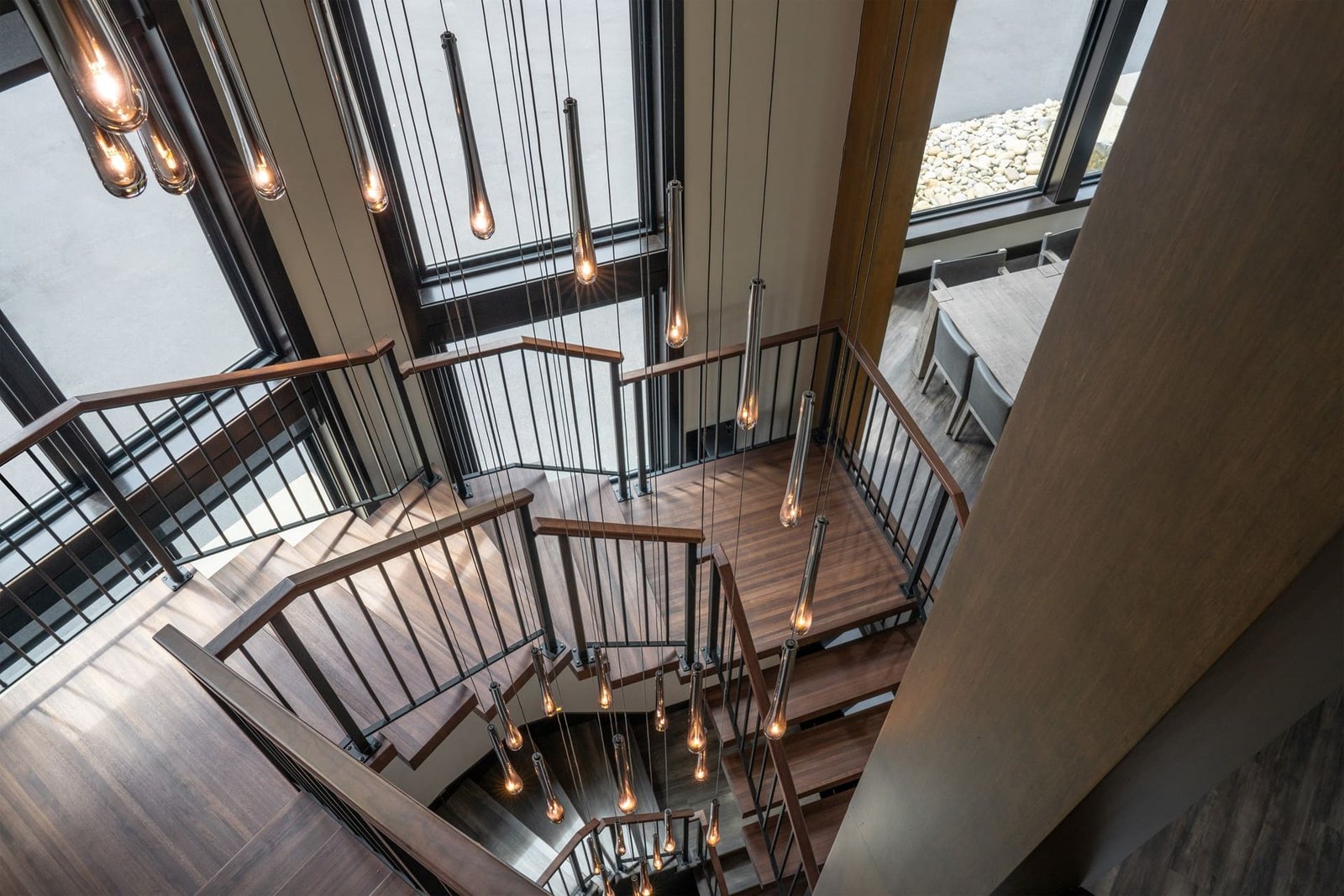
Stone is foundational — chosen for its movement and depth, not its uniformity. Textile choices lean toward natural fibers: linen, wool, cotton, cashmere, hide. Lighting is where many quiet luxury spaces go wrong. Over-lit rooms flatten the effect entirely. The right lighting plan uses layers and allows for darkness in the corners.
Where Quiet Luxury Goes Wrong
The most common mistake is confusing it with beige. A room full of identical beige surfaces in the same flat finish is not quiet luxury; it’s just empty. The second mistake is restraint without confidence. Visual calm comes from knowing when to stop.